

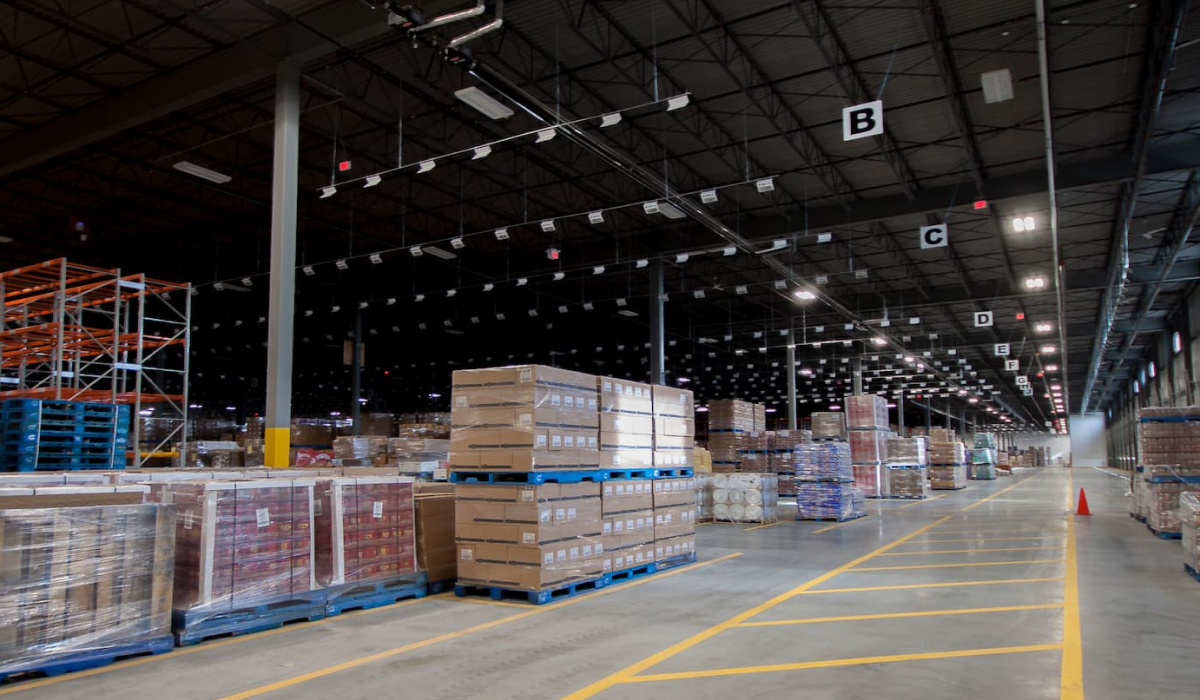

When a customer picks up a bottle of Pakola, a box of Tapal Tea, a pack of LU biscuits, or a TAZA food product from a Canadian grocery store shelf, a lot has already happened behind the scenes. That product traveled through a network of manufacturers, warehouses, logistics teams, and distributors before landing in that shopper’s hands.
Most consumers never think about it. But retailers think about it every single day.
Food distribution in Canada is a complex, high-stakes operation. Get it right, and shelves stay stocked. Get it wrong, and customers walk out empty-handed. PNF Distributor has spent over 20 years getting it right, connecting leading food and beverage brands with retailers across the country.
Here is how the entire process works.
What Is Food Distribution and Why Does It Matter in Canada?
Food distribution is the process of moving products from manufacturers to the end consumer through a network of warehouses, transporters, and retailers.
In Canada, this process matters more than most people realize. The country spans thousands of kilometers. Retailers in British Columbia need the same products as retailers in Ontario. And with Canada’s growing South Asian, Middle Eastern, and multicultural communities, demand for recognized international brands has surged.
Retailers cannot source products from dozens of manufacturers individually. It is inefficient, expensive, and logistically impossible at scale.
That is where food distributors come in. We act as the central link between brands and retail shelves.
The Journey Begins With Trusted Food Brands
Partnering With Manufacturers and Brand Owners
Every product on a retail shelf starts with a manufacturer. Food distributors like PNF work directly with brand owners and manufacturers to bring their products into the Canadian market.
Building a Diverse Product Portfolio
PNF carries products across multiple categories:
- Tea and coffee: Tapal Tea, one of the most recognized tea brands among South Asian households in Canada
- Beverages: Pakola, a nostalgic and widely loved drink brand
- Biscuits and snacks: LU, a household name across generations
- Health and wellness: Hemani, covering oils, herbs, and wellness products
- Rice and pantry staples: Guard and Rozaana, trusted for everyday cooking
- Frozen and grocery products: TAZA foods, catering to families looking for familiar flavors
- Confectionery and sweets: Regal, Ruby, Nice, Zafarani, and others
This kind of portfolio depth is what separates a serious distribution partner from a basic reseller. Retailers working with PNF can stock an entire category aisle through a single supplier relationship.
How Food Products Enter Canadian Distribution Warehouses
Receiving and Inspection
When a shipment arrives at a PNF warehouse, the process starts before a single case hits a storage rack.
Every incoming delivery goes through a receiving and inspection process. Teams verify that product quantities match purchase orders, packaging is intact, and labeling meets Canadian regulatory standards. Products that do not pass inspection do not enter the inventory.
This step protects retailers. When a store receives a delivery of Tapal tea cartons or Pakola beverage cases, they already know the quality standard has been checked at the source.
Quality Control and Inventory Entry
After inspection, products are entered into the inventory management system. Each product gets assigned to the right storage zone based on its category and requirements.
Regal confectionery products, TAZA frozen foods, Hemani wellness items, and dry goods like rice and biscuits all require different handling. PNF organizes its warehousing to reflect these differences, ensuring product integrity from the moment it enters storage to the moment it leaves for a retailer.
Warehousing and Inventory Management Behind Every Retail Order
Organizing Thousands of Products
A food distributor like PNF manages thousands of SKUs at any given time. Tea, beverages, biscuits, frozen foods, grains, health products, sweets, and specialty items all share warehouse space.
Efficient warehousing means every product has a designated location. When a retailer places an order for LU biscuits or Rozaana rice, the team can locate, pick, and pack that order without delay.
Tracking Inventory in Real Time
Inventory management is what keeps the supply chain moving. PNF uses real-time tracking to monitor stock levels across its entire product range.
This matters because stockouts are expensive for everyone. If Tapal Tea runs low at a warehouse, retailers are the ones who feel it first. Their shelves go empty. Customers leave. Sales drop.
Real-time inventory visibility allows PNF to stay ahead of demand, reorder before stock depletes, and keep its retail partners consistently supplied with the brands their customers trust.
Transportation and Food Logistics Across Canada
Coordinating Deliveries
Once an order is packed and ready, logistics takes over. PNF coordinates delivery routes and schedules to serve retailers across Canada, from major urban centers to smaller regional markets.
Whether it is a full pallet of Pakola beverages heading to a large grocery chain or a mixed order of Tapal Tea, LU biscuits, and Hemani products going to an independent ethnic grocery store, each delivery is planned to minimize delays and transit time.
Maintaining Product Quality During Transit
Logistics is not just about speed. It is also about protecting product quality on the move.
Packaged goods, frozen items, and fragile products all have different transit requirements. PNF’s logistics process accounts for these differences. A shipment of TAZA frozen products requires temperature management. Confectionery items from Regal need protection from heat and moisture. PNF handles both.
Serving Retailers Coast to Coast
Canada’s geography is one of the biggest challenges in food logistics. PNF has built its distribution network to cover this geography, serving retailers in major markets like Toronto, Calgary, Vancouver, and Edmonton, as well as regional and community stores in smaller cities.
That national reach is a significant advantage for brands like Tapal, Pakola, and LU. Instead of managing fragmented regional distribution, they work with PNF to reach the entire Canadian market consistently.
Challenges in Canada’s Food Distribution Industry
Inventory Forecasting
Demand is not always predictable. A food distributor has to anticipate what retailers will need before they run out.
PNF tracks purchasing patterns across its retail network to forecast demand for high-volume products like Tapal Tea, Pakola, and LU biscuits. This data-driven approach reduces the risk of stockouts and overstock situations.
Seasonal Demand Fluctuations
Canada’s multicultural population creates seasonal peaks that a general distributor might not fully understand.
Ramadan significantly increases demand for products like Tapal Tea, Rozaana rice, Regal sweets, and Pakola beverages. Eid creates another spike. Community events throughout the year create smaller but consistent surges.
PNF plans around these peaks. Retailers who work with PNF during high-demand periods are consistently better stocked than those relying on distributors without this cultural awareness.
Maintaining Product Availability
Supply chain disruptions, shipping delays, and manufacturing slowdowns are realities in the food industry. A good distributor does not just react to these events. It prepares for them.
PNF maintains strategic stock levels for its top-selling brands to buffer against supply disruptions. When a global shipping delay affects incoming product, retailers depending on PNF still have inventory to work with.
Why Retailers Depend on Experienced Food Distributors
Retailers choose their distribution partners carefully. A weak distributor means empty shelves, unhappy customers, and lost sales.
Here is what experienced food distributors like PNF offer:
- Consistent inventory: Products retailers depend on are available when they need them
- Access to recognized brands: Retailers get a single source for Tapal, Pakola, LU, Hemani, TAZA, Regal, and more
- Reliable logistics: Deliveries arrive on time and in good condition
- Faster replenishment: Orders are processed and dispatched quickly
- Wider product selection: One distributor relationship covers dozens of product categories
For retailers serving multicultural communities, this combination is not just convenient. It is essential.
FAQs
What does a food distributor do in Canada?
A food distributor receives products from manufacturers, stores them in warehouses, manages inventory, and delivers them to retail stores. Distributors like PNF handle the full supply chain between brand and shelf, so retailers do not have to source products directly from individual manufacturers.
How do food products move from warehouses to retail stores?
Products are stored in distribution warehouses after incoming quality checks. When a retailer places an order, warehouse staff pick and pack the products, and a logistics team coordinates delivery. PNF manages this process for brands like Tapal, Pakola, TAZA, LU, and many others.
Why are food distributors important for retailers?
Retailers cannot maintain direct relationships with every manufacturer they carry. A food distributor gives retailers access to multiple brands through one partner. This simplifies ordering, reduces logistics overhead, and ensures consistent product availability.
How does inventory management support food distribution?
Real-time inventory tracking allows distributors to monitor stock levels, forecast demand, and reorder before products run out. PNF uses inventory management to keep high-demand products like Tapal Tea, Pakola, and LU biscuits consistently available for its retail partners.
What should retailers look for in a food distribution partner?
Retailers should look for reliable inventory, a strong brand portfolio, efficient logistics, and a distributor who understands their customer base. PNF combines all four, with over 20 years of experience serving the Canadian food retail market with an extensive range of trusted brands.